Evidence for hyperplasia (formation of new muscle fibers) needs even longer finding periods and specialized assessment techniques
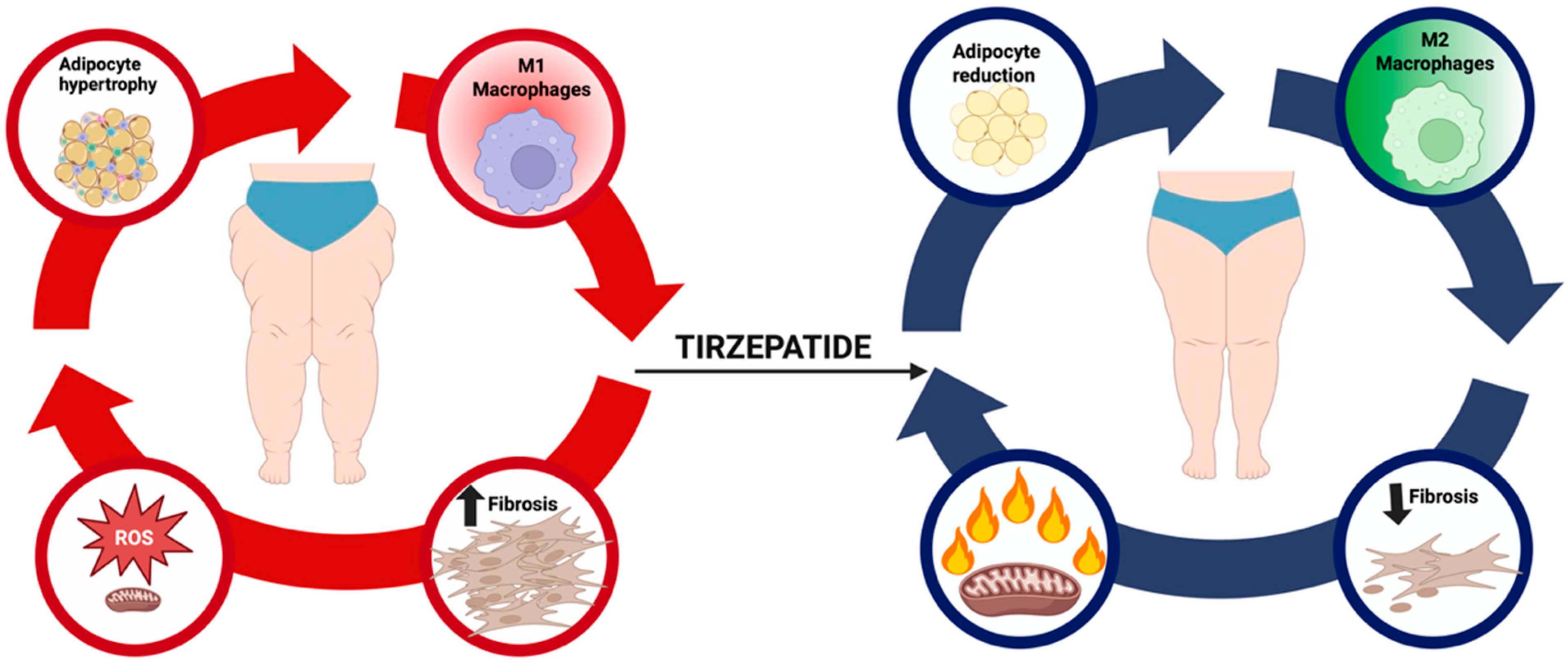
It is a powerful GLP-1 receptor agonist that fundamentally alters how your brain and gut communicate about hunger, satiety, and food reward
Aging, stress, and environmental toxins often increase the body's demand for glutathione beyond what diet alone can provide
Lang F, Gulbins E, Lerche H, Huber SM, Kempe DS, Foller M
2014 A Qualitative Study to Understand the Supportive Care Needs of Adolescents with X-Linked Hypophosphatemia during the Transition to Adulthood Angela Rylands 1 , Vrinda Saraff 2 , Pedro Arango Sancho 3 , Justine Bacchetta 4 , Annemieke Boot 5 , Christine Burren 6 , Amish Chinoy 7 , Poonam Dharmaraj 8 , Adele Barlassina 9 , Agns Linglart 10 , Maria Amelia Gmez Llorente 11 , Juan David Gonzlez Rodrguez 12 , Iva Gueorguieva 13 , Wesley Hayes 14 , Hctor Ros Duro 15 , Emily Hardie 16 , Dirk Schnabel 17 , Santhani Selveindran 18 1 Kyowa Kirin Ltd, Marlow, UK, 2 Birmingham Womens and Childrens Hospital, Birmingham, UK, 3 Sant Joan de Du Barcelona Hospital, Barcelona, Spain, 4 Hospices Civils de Lyon, INSERM1033 Research Unit, Lyon, France, 5 University Medical Center Groningen, University of Groningen, Groningen, Netherlands, 6 University Hospitals Bristol and Weston NHS Foundation Trust, Briston, UK, 7 Royal Manchester Childrens Hospital, Manchester, UK, 8 Alder Hey Childrens Hospital, Liverpool, UK, 9 Open Health Ltd, Rotterdam, Netherlands, 10 AP-HP, Paris Saclay University, Paris, France, 11 Hospital Virgen de Las Nieves, Granada, Spain, 12 Department of Pediatric Nephrology, Santa Lucia General University Hospital, Cartagena, Spain, 13 Centre Hospitalier Universitaire de Lille, Lille, France, 14 Great Ormond Street Hospital, London, UK, 15 Pediatric Nephrology, Vall dHebron Universitary Hospital, Barcelona, Spain, 16 Kyowa Kirin International, Marlow, UK, 17 Center for Chronic Sick Children, Pediatric Endocrinology, Charit University Medicine Berlin, Berlin, Germany, 18 Open Health Ltd, London, UK Journal of Patient-Reported Outcomes 2026 , 10(Suppl 1) :2014 Aims X-linked hypophosphatemia (XLH) is a rare, genetic disorder caused by pathogenic variants in the phosphate-regulating endopeptidase homologue X-linked (PHEX) gene

Common symptoms include: Dizziness or light-headedness upon standing, particularly after prolonged sitting or lying down Blurred or tunnel vision Weakness, fatigue, or feeling faint Unsteadiness or loss of balance , increasing fall risk Syncope (fainting) , which may occur suddenly and without warning Nausea or clamminess , sometimes accompanying the drop in blood pressure These symptoms typically occur within seconds to minutes of standing and often improve upon sitting or lying down