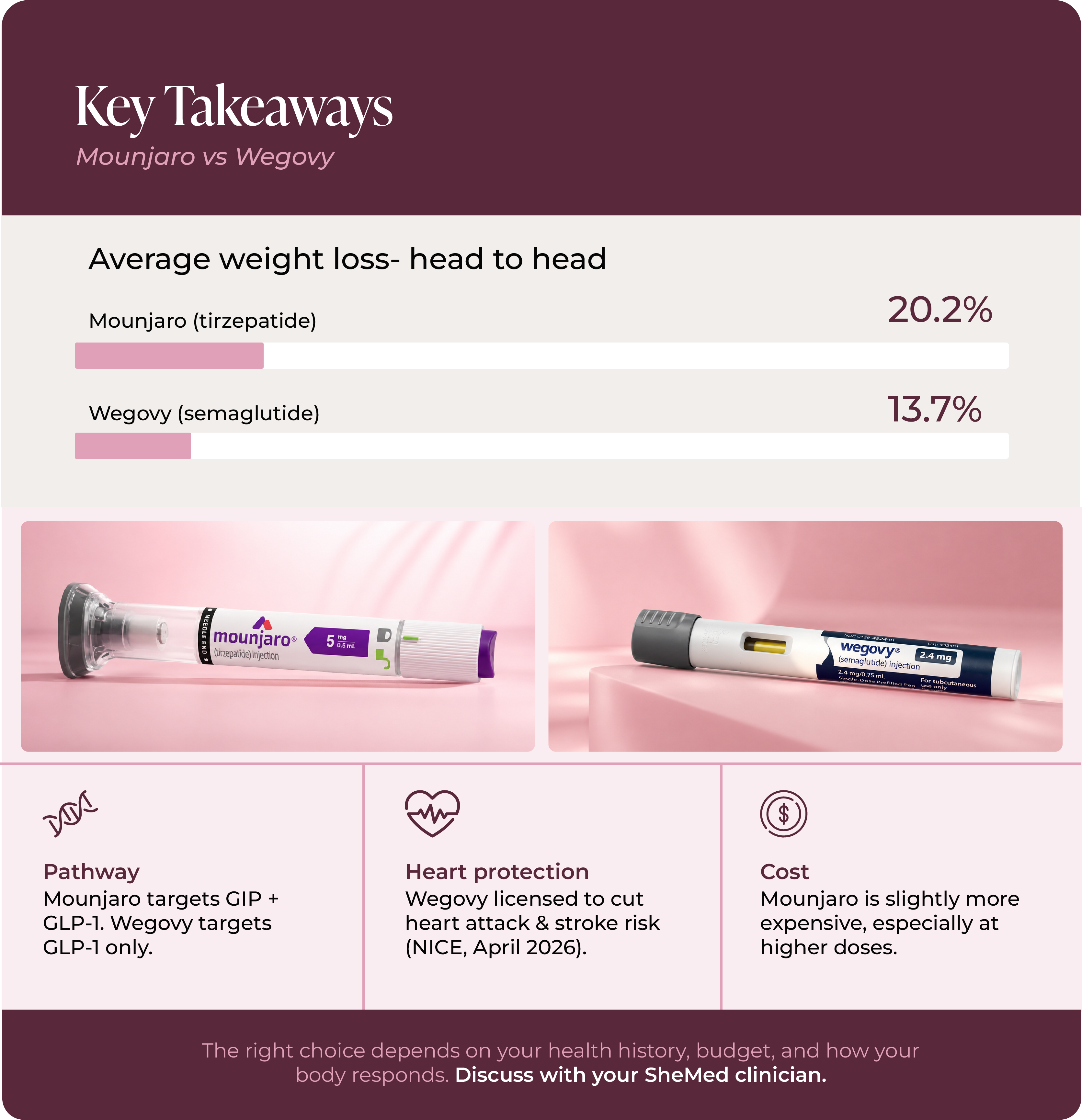
A healthcare provider can evaluate factors such as: Current health status Medical history Weight loss goals Existing medications Metabolic conditions The best treatment approach will depend on an individuals specific health needs and goals
It costs between $1,000-$1,300 per month
Haz clic aqu para empezar!
When the medication is exposed to temperatures outside the recommended storage range, the chemical structure of its active ingredients may begin to break down
Future Research Directions To further clarify remaining uncertainty, future research should prioritize: Longer follow-up periods in large, active-comparator cohorts Mandatory histologic subtype linkage in registry studies International collaboration to increase power for rare outcomes like MTC Prospective registries in high-risk populations Transparent reporting of surveillance intensity and imaging utilization Final Conclusions After comprehensive review of mechanistic data, randomized trials, observational cohorts, pharmacovigilance analyses, and expert syntheses, the following conclusions are supported: There is no convincing human evidence that GLP-1 receptor agonists cause papillary, follicular, or Oncocytic (Hrthle cell) thyroid cancers The FDA boxed warning is appropriately narrow, reflecting rodent findings relevant to medullary thyroid carcinoma and MEN2 Apparent associations in some studies are plausibly explained by detection bias, confounding, and outcome misclassification Broad extrapolation of the warning to all thyroid cancers is not scientifically justified Evidence-based, subtype-specific counseling is essential to avoid unnecessary fear and ensure appropriate use of effective therapies This white paper is intended to serve as a durable reference for clinicians, patients, media professionals, and policymakers navigating a complex topic at the intersection of endocrinology, oncology, and public communication
Stopping treatment leads to weight regain, so consistent access matters more than maximum potency