
glp-1 drugs and alzheimer's
Shipping Estimate
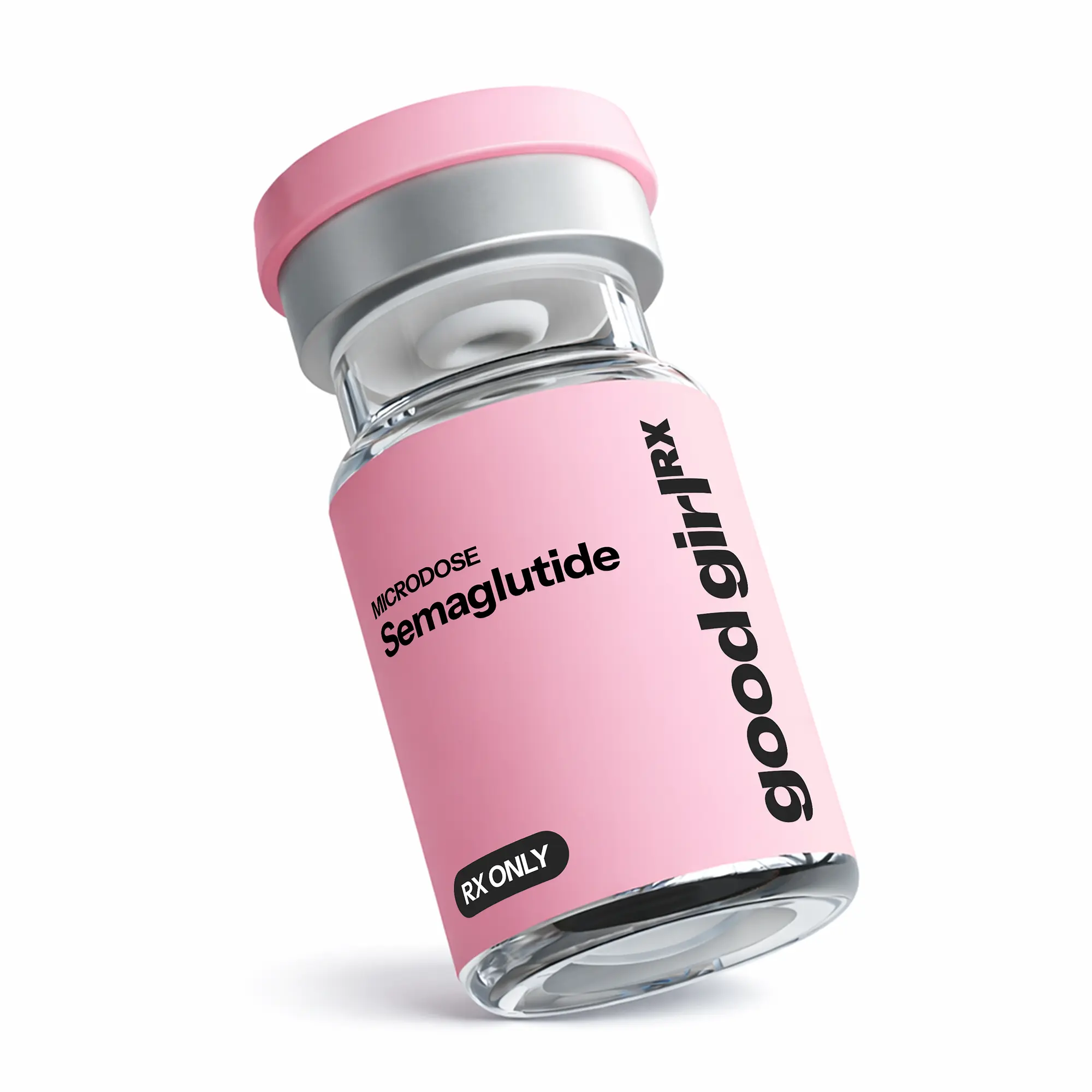
glp-1 drugs and alzheimer's Your one spot for affordable pricing — with or without insurance GLP-1 Without Insurance: Affordable Access
USD29.50
USD68.50
Pay in 4 interest-free payments of $7.38 Learn more
Shipping Estimate
USA
- USA
- CAN
- USA
- CAN
Ships within 48 hours · Estimated delivery Aug 9 - Aug 14
Live Spec
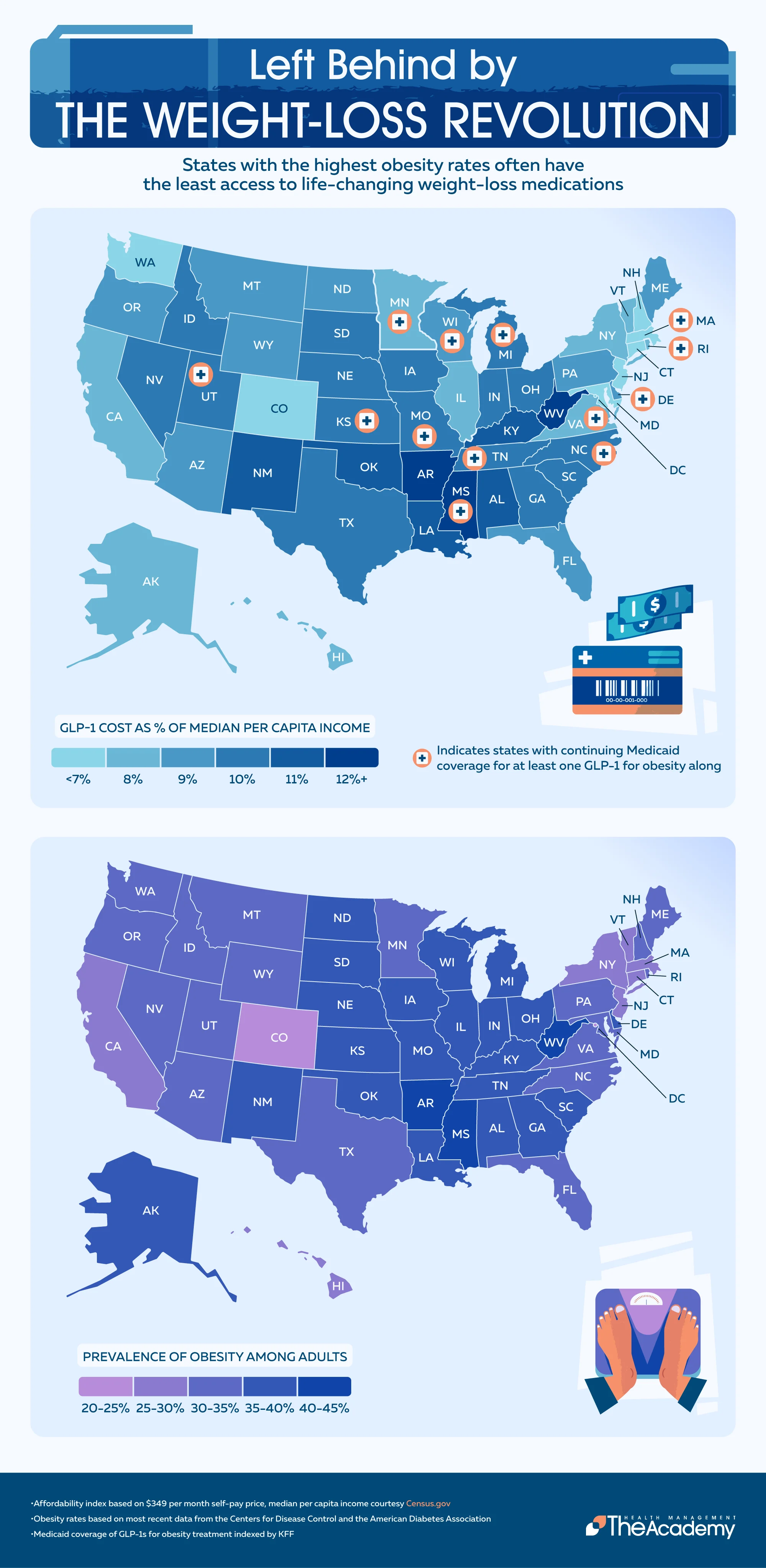
GLP 1 Without Insurance: Affordable Access PlexusDx GLP 1 Oral Solution Affordable Weight Loss Treatment For Overweight Adults Peaks Curative GLP 1 Drug Savings: A Complete Guide for How to Save on Ozempic, Wegovy, and More GoodRx Affordable Access to GLP 1 Medications Without Insurance PlexusDx How to Get GLP 1 Drugs Without Insurance U.S. News BCBS insurance dropping glp1 : r Zepbound
Store: www.ab-travaux.com · Domain: www.ab-travaux.com












![[Ondo Beauty 36.5] Tranexamic Acid & Licorice Dark Spot Treatment TOK-TOK silmänympärysvoide](https://cdn.shopify.com/s/files/1/0856/0259/9236/files/ondo-tranexamic-acid-licorice-dark-spot-treatment_c60ba1bc-3282-464c-9fee-6aceaafefa2f.jpg?v=1736949377)